Understanding NFPA 96 Compliance NYC Regulations for Modern Restaurants
Operating a successful commercial kitchen in New York City requires constant attention to strict fire safety rules and municipal codes. At the center of these local regulations sits the National Fire Protection Association Standard 96, which sets the benchmark for commercial cooking ventilation. Achieving proper NFPA 96 compliance NYC status ensures that your kitchen exhaust system removes heat, smoke, and grease vapors safely without creating dangerous fire hazards. Furthermore, local enforcement agencies use these exact guidelines to evaluate every food service establishment across the five boroughs during routine audits.
Many new restaurant owners assume that having working fire extinguishers on the wall satisfies basic municipal fire safety codes. However, grease accumulation inside hidden ductwork represents the single biggest fire risk in any commercial culinary facility. Cooking produces microscopic oil particles that rise into the hood canopy and coat interior metal surfaces over time. Consequently, if a flare-up happens on the stove, flames can shoot directly into the duct shaft and ignite that trapped grease within seconds. Therefore, municipal regulators enforce strict ventilation maintenance rules to protect employees, building tenants, and neighboring properties from devastating fires.
Understanding how these rules work empowers restaurant operators to take control of their kitchen maintenance before an inspector arrives at the front door. Instead of viewing fire safety audits as unpredictable obstacles, smart managers treat regulatory adherence as a straightforward operational habit. By keeping your exhaust system clean and well-documented, you protect your business license, lower your commercial insurance risks, and maintain a comfortable workspace for your culinary team.
How Local NYC Agencies Enforce Ventilation Safety Codes
In New York City, two primary municipal departments oversee commercial kitchen sanitation and fire prevention during unannounced site visits. Both the Fire Department of New York and the Department of Health and Mental Hygiene inspect ventilation equipment to verify full NFPA 96 compliance NYC adherence. While health inspectors focus primarily on food hygiene and pest control, they also check overhead hoods for dripping grease that could contaminate open prep stations below. Meanwhile, fire department officials conduct deep technical evaluations of your entire exhaust system, fire suppression nozzles, and rooftop fan assemblies.
During a fire safety audit, inspectors look closely at your physical hood canopy to verify that a valid Certificate of Performance sticker is clearly visible. This official decal proves that a certified technician cleaned your entire ventilation system within the legally mandated timeframe. Additionally, inspectors often climb onto the building roof to examine the upblast exhaust fan, check the hinge kit, and inspect the surrounding roof membrane for dangerous oil leaks. If they discover thick grease buildup or missing documentation, they issue immediate violation summonses that carry heavy financial penalties.
Preparing for these municipal audits requires consistent record-keeping and proactive mechanical maintenance throughout the entire calendar year. When your kitchen staff understands what local officials look for during an inspection, daily cleaning habits improve dramatically across every shift. Ultimately, maintaining transparent service logs and partnering with certified professionals turns stressful municipal visits into quick, routine checkups that keep your dining room open for business.
Mandatory Exhaust Cleaning Frequencies Based on Cooking Volume
Not every commercial kitchen accumulates grease at the exact same rate, which is why national fire codes categorize facilities by fuel type and cooking volume. To maintain valid NFPA 96 compliance NYC standing, restaurant operators must follow a strict cleaning schedule dictated by their daily menu and kitchen equipment. Following the correct timeline prevents dangerous fuel deposits from building up inside vertical duct risers and horizontal exhaust runs.
Monthly Cleaning for Solid-Fuel Cooking
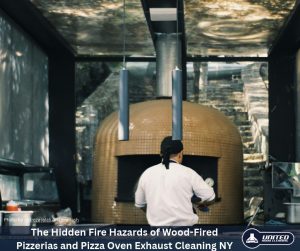
Restaurants that operate wood-fired pizza ovens, charcoal grills, or mesquite broilers generate heavy smoke alongside volatile wood creosote. Because creosote ignites at relatively low temperatures, solid-fuel exhaust systems require thorough bare-metal scraping every single month without exception.
Quarterly Cleaning for High-Volume Kitchens
Busy establishments that run deep fryers, charbroilers, or 24-hour cooking lines produce continuous plumes of airborne grease throughout the day. Consequently, high-volume diners, burger joints, and wok restaurants must schedule professional exhaust cleaning every three months to stay safe and compliant.
Semi-Annual Cleaning for Moderate-Volume Kitchens
Standard sit-down restaurants, hotel kitchens, and corporate cafeterias typically generate moderate levels of grease vapor during normal meal service. Therefore, these facilities require comprehensive hood and duct cleaning every six months to prevent hidden buildup from reaching hazardous levels.
Annual Cleaning for Low-Volume Operations
Seasonal venues, churches, day camps, and small coffee shops perform minimal grease-producing cooking across the year. As a result, low-volume kitchens only need professional exhaust servicing once every twelve months to satisfy local fire code standards.
Evaluating your exact cooking volume ensures that you never fall behind on mandatory maintenance deadlines or waste money on unnecessary service calls. If your restaurant expands its menu to include heavy frying or late-night service, you must adjust your cleaning frequency immediately to match the increased grease output. Staying aligned with these official schedules guarantees continuous fire protection and keeps your inspection records spotless year-round.
Bare-Metal Inspection Criteria and What Inspectors Look For
A common misconception among restaurant managers is that wiping down the visible stainless steel hood canopy satisfies municipal fire safety codes. In reality, true NFPA 96 compliance NYC rules require professional technicians to clean every interior surface of the exhaust system back to bare metal. During an inspection, fire officials remove your metal baffle filters and shine bright flashlights deep inside the hood plenum and ductwork to check for hidden residue. If grease accumulation exceeds two-thousandths of an inch, the system fails the bare-metal inspection standard immediately.
Achieving a true bare-metal finish requires specialized commercial tools, hot water pressure washers, and industrial degreasers rather than standard kitchen sponges. Certified technicians must manually scrape carbonized grease from the interior plenum walls, duct collars, and rooftop fan blades before flushing the system clean. Furthermore, proper bare-metal maintenance extends to the grease filters themselves, which must remain free of dents, gaps, or heavy oil clogs. Under current safety regulations, aluminum or stainless steel baffle filters are mandatory because older mesh filters trap grease and accelerate flash fires.
Because inspectors evaluate areas that kitchen staff cannot safely reach, hiring qualified specialists is essential for passing bare-metal audits. Technicians also photograph the clean interior ductwork before and after every service visit to provide undeniable visual proof of compliance. Keeping these photographic reports on file alongside your physical hood sticker gives municipal auditors complete confidence in your facility management practices.
Common Exhaust System Deficiencies That Trigger Violation Citations
Even well-intentioned restaurant owners receive unexpected violation citations when hidden mechanical defects compromise their kitchen ventilation infrastructure. Identifying and fixing these common exhaust system deficiencies early protects your business from costly fines, emergency repairs, and forced kitchen closures.
- Missing or Inaccessible Duct Access Panels: Many older New York City buildings feature long horizontal duct runs that lack proper leak-proof access doors. Without hinged access panels installed every twelve feet, technicians cannot reach inside to scrape hidden grease pockets, which leads to automatic inspection failures.
- Improperly Functioning Rooftop Fan Hinge Kits: Rooftop upblast exhaust fans require heavy-duty hinge kits so technicians can tilt the unit back safely to clean the fan blades and vertical shaft. When a fan lacks proper hinges, lifting the heavy motor damages electrical wiring and breaks weather seals, creating immediate fire and roof leak hazards.
- Inadequate Rooftop Grease Containment Systems: Exhaust fans naturally expel tiny amounts of grease vapor onto the roof surface during normal kitchen operations. Without a compliant grease containment box installed around the fan base, oil saturates the roofing membrane, degrades structural materials, and triggers strict environmental violations.
- Misaligned Fire Suppression System Nozzles: Automatic wet-chemical fire suppression nozzles sit directly above your cooking appliances to extinguish sudden flare-ups. If kitchen staff move a deep fryer or charbroiler during floor cleaning without realigning the overhead nozzles, your entire ventilation system becomes non-compliant immediately.
Addressing these mechanical vulnerabilities before an auditor arrives saves thousands of dollars in emergency remediation costs and administrative penalties. Routine visual checks by your kitchen manager can catch misaligned nozzles or missing filter baffles right away. Meanwhile, scheduling regular technical inspections ensures that rooftop hardware and internal duct panels remain fully functional and code-compliant at all times.
Partner with United Hood Cleaning for Stress-Free Compliance
Navigating strict municipal regulations and maintaining complex commercial ventilation systems requires an experienced, dependable service partner. United Hood Cleaning specializes in helping restaurants, hotels, and commercial kitchens achieve effortless NFPA 96 compliance NYC standards across the entire tri-state area. Our family-owned company employs fully FDNY-certified and IKECA-trained technicians who understand the unique structural challenges of New York City buildings. Whether your facility operates a compact cafe hood or a multi-story high-rise exhaust shaft, our team delivers thorough bare-metal restoration every single time.
We begin every service appointment by protecting your valuable kitchen equipment, prep tables, and flooring with heavy-duty plastic sheeting. Next, our specialists perform meticulous hand scraping and high-pressure hot water washing from the rooftop fan all the way down to the hood canopy. After polishing your stainless steel surfaces and reinstalling clean baffle filters, we attach an official Certificate of Performance sticker directly to your hood. Furthermore, we provide comprehensive digital before-and-after photo reports so your inspection records remain completely organized for visiting health and fire officials.
To ensure zero disruption to your daily culinary operations, we offer flexible overnight and off-hour scheduling seven days a week. Partnering with United Hood Cleaning eliminates the guesswork from fire code compliance, lowers your operational fire risks, and protects your business reputation. Call our friendly team today at (888) 889-3828 or visit our website to schedule your free site evaluation and keep your kitchen running safely.